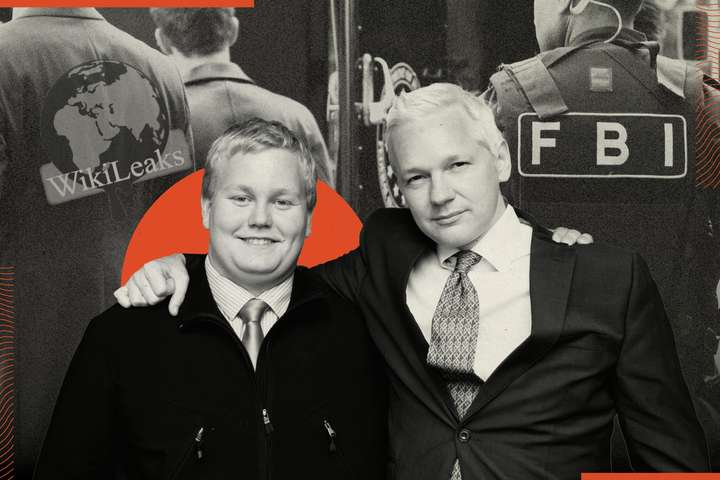


As Stundin previously reported, a key witness in the case against Julian Assange has admitted to fabrications and thus cast serious doubt on statements found in the indictment against the Wikileaks founder. We can now share audio recordings of that witness, Sigurdur Ingi (Siggi) Thordarson, where he discusses his part in the case and what originally led him to entangle himself in an FBI investigation while he was a delinquent teenager on a crime spree.
The excerpts presented here are taken from over nine hours of audio recordings of Thordarson willingly discussing his crimes and deceptions with Stundin’s reporter.
One issue, that was raised in the updated indictment against Assange presented to UK courts for the purposes of seeking extradition to the United States, is the claim that he received audio files containing secret recordings of members of the Icelandic parliament.
Thordarson, known also as Siggi, now says he handed Assange a USB drive in early 2010 but had no knowledge of what was on it. He did not even know if there were any actual audio files on the drive, much less what such files may have contained. This appears to contradict the indictment, where Siggi Thordarson is cited as a source.
Reporter: “You also sent it to Julian?”
Siggi: “Yes, well, I gave him a memory stick.”
Reporter: “A memory stick with the conversations on it?”
Siggi: “Yes.”
Reporter: ”OK. So he received these phone calls?”
Siggi: “At least he received some files. I never listened to them so I have no idea what was on there.”
Reporter: “You didn’t feel like checking it out to hear it? How large was this file?”
Siggi: “I don’t remember, I was doing something at the time so I thought I’d just throw it at Julian and he’d go over it.”
Reporter: “OK, but how large was this file? How large was the memory stick, was it like 16 gigabytes or 2 gigabytes?”
Siggi: “No, no, it would have been on a 34 or 64 gigabyte stick.”
The UK judge cited this part of the indictment in the judgment over extradition, saying Thordarson was asked by Assange: “...to hack into computers to obtain information including audio recordings of phone conversations between high-ranking officials, including members of the Parliament, of the government of “NATO country 1” [Note: Here the prosecution claims that Assange is not charged for receiving or publishing information offered to him, but rather that he actively sought out information. As an example of this, the prosecution claims that the parliament call recording incident was an attempt to obtain the data through hacking.]
When confronted, Thordarson admits this is not true but claims he is not allowed to elaborate on why the indictment does not match his purported testimony.
Reporter: “Did you tell the FBI that…”
Siggi: “That I hacked them? No.”
Reporter: “...and that Assange asked you to hack them?”
Siggi: “No.”
Reporter: “Then why does the indictment claim you said that?”
Siggi: “I can’t answer that.”
Reporter: “Is it because you don’t want to, or is it because of the FBI you can’t answer?”
Siggi: “I can’t answer that.”
Reporter: “Why can’t you answer?”
Siggi: “Because I’m not allowed to.”
Thordarson was recently called in to provide further testimony on the case in the United States. He says he cannot go into details about his trip but the focus of the discussion was on new information, rather than confirming what he had claimed before.
Siggi: “There were a lot of questions that had never been raised before, so that wouldn’t have made sense.”
Reporter: “OK, so there was an attempt to open a new line of investigation as my sources claim?”
Siggi: “A new line?”
Reporter: “In other words, they were looking into other subjects than they had previously done with you?”
Siggi: “Yes.”
Reporter: “And those subjects pertained to extending the investigation into different areas than contained in this indictment?”
Siggi: “I couldn’t say.”
Reporter: “You couldn’t say or you aren’t allowed to say?”
Siggi: “Either one.” *laughs*
Reporter: “You have to choose one, Siggi! You have to pick an option!”
Siggi: “I can’t comment on that.”
Reporter: “So you aren’t allowed to comment?”
Siggi: “Yes.”
The FBI has access to communications between Julian Assange and Chelsea Manning, as they seized computer equipment belonging to the latter when she was arrested. In one conversation Assange mentions receiving documents relating to the collapse of the Icelandic banking system. The collapse was a direct result of reckless and even criminal actions by top-level bankers, and Wikileaks had exposed similar wrongdoing at another Icelandic bank two years earlier.
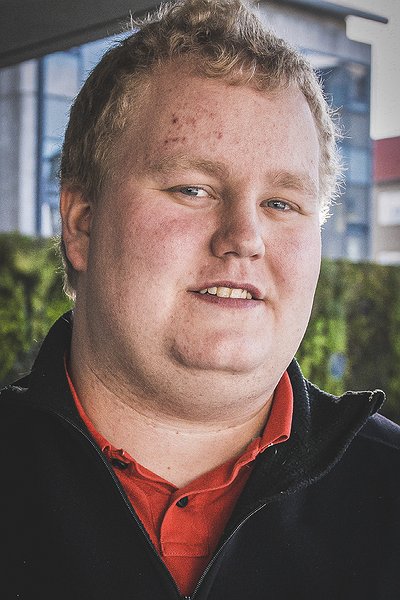
Thordarson has now revealed himself to be the source mentioned in the chat log between Manning and Assange. However, he simply laughed and declined to go on the record when asked how he managed to steal the documents from under the noses of the resolution committee of the failed bank Glitnir.
Reporter: “On the 5th of March 2010 Assange said to Manning that he had acquired stolen bank documents from a source, that source was in fact you?”
Siggi: “Yes.”
Reporter: “What bank documents are those?”
Siggi: “From Milestone and Glitnir and…”
Reporter: “OK, those are the Milestone documents you had taken with a memory stick that you just used to take it from their computer, right? The computer was open, wasn’t it?”
Siggi: “I don’t remember. But these are documents that pertain to...”
Reporter: “But these are the documents you took, the Milestone…”
Siggi: “Yeah, he was talking about those.”
Reporter: “OK, but is he talking about something more than that? Because...
Siggi: “Yeah, because I had and still have Glitnir bank’s loan book that was never published. I also had a file that was Landsbanki’s loan book but it was encrypted. I was going to get David House to see if he could use this supercomputer at MIT to encr… decrypt it.”
Reporter: “Decrypt it. That’s the file that was floating around everywhere online? Everyone was trying to decrypt it, it had already been downloaded…”
Siggi: “Indeed.”
Reporter: “What about the Glitnir loan book, where did that come from?”
Siggi: “Ahaha… I’ll tell you that off the record.”
Thordarson is a well known fraudster in Iceland and appears to have made his living through the years by cheating and stealing from a long list of local companies. As part of his fraudulent schemes he ran an online store with Wikileaks merchandise in 2010 and claimed to be raising money for the organization. However, it all went into his personal bank account and he refuses to say what he did with the money he stole from Wikileaks.
Reporter: “I’m a little curious to know where that went…”
Siggi: “I’ll let you know as soon as I find out, haha!”
Reporter: “OK, so you got the money deposited into your bank account, right?”
Siggi: “Indeed.”
Reporter: “We can go off the record if you want?”
Siggi: “Doesn’t matter, I admitted to it in court. But you see the store was and always had been in my name.”
Members of the Wikileaks organization eventually became aware of what was happening and tried desperately to find Thordarson and recover the money. He was also wanted for various other crimes in Iceland, including financial fraud and sexual abuse of minors. It was at this time he decided to walk into the United States embassy in Reykjavík and offer testimony against Assange in exchange for protection. However, this inadvertently put him in even more trouble.
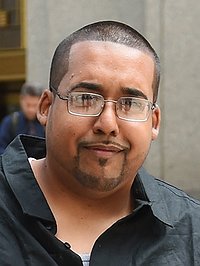
Thordarson had previously been in contact with the infamous hacking collective known as Lulzec, headed by a person using the alias Sabu. What Thordarson did not know at the time was that Sabu had been arrested by the FBI and turned informant only a month earlier. By asking Sabu to hack Icelandic government sites Thordarson had so thoroughly incriminated himself that US authorities had him in a vice. He says officials told him he faced a lengthy prison sentence if he didn’t cooperate fully.
Reporter: “They just say to you, here’s the situation, and they lay it out.”
Siggi: “Yup.”
Reporter: “And that didn’t paint a pretty picture according to my sources.”
Siggi: “Indeed.”
Reporter: “They were perhaps even pointing out that you were headed to prison imminently if you didn’t answer the FBIs questions and work with the FBI on this. You are panicking at that point.”
Siggi: “I don’t look at it as a threat. Stating the obvious isn’t necessarily a threat.”
Reporter: “Look... it feels like the Icelandic police were telling you that they would make the charges in Iceland disappear.”
Siggi: “Yes.”
Reporter: “...and the FBI would make the American charges disappear? So by making an immunity deal with the Americans you would be off the hook for anything that could cause you problems back home?”
Siggi: “Huh. That’s news to me.”
It appears the deal was for Thordarson to provide statements that could strengthen the indictment against Assange, in exchange for total immunity. He would get away with his crimes, as he himself put it.
Reporter: “You were the small fry, you knew they wanted the big fish, and you provided everything to help them catch the big fish.”
Siggi: “Yeah. I agree with that portrayal, that’s the way it was. But the idea when I was there back in the summer of 2011 or whatever, that wasn’t the idea. I had just been backed into a massive corner and I folded.”
Reporter: “OK, but you can see that from my point of view this story is full of holes.”
Siggi: “Sure.”
Reporter: “The amount of pressure you are under, mental and physical, from the FBI. If you aren’t cooperating 110% you are simply f---ked.”
Siggi: “They would have already revoked this immunity deal if I was lying.”
Reporter: “Is that really so?”
Siggi: “Yes!”
Reporter: “Because they are basing a lot on just your word.”
Siggi: “It’s stated many times in my agreement that if I were to be caught out lying, just one false word, the immunity agreement would be revoked. And they could proceed with prosecuting me. There is nothing in the indictment about what evidence they have, the justice system doesn’t require that to be public.”
Reporter: “Actually that is part of discovery...”
Siggi: “When it goes to court.”
Reporter: “Sure, but…”
Siggi: “There you have an indictment that will be added to later.
Reporter: “Yes, but still, if they can’t get him extradited from the UK they have no case.”
Siggi: “The [UK] judge didn’t refuse extradition based on the evidence of the case, it was for health reasons.”
Reporter: “Exactly.”
Siggi: “Are you trying to tell me they wouldn’t just immediately request extradition from whatever country he would travel to next? The only thing that can save Julian now is if Joe Biden blows the whole thing off.”
Reporter: “What would happen to you in that case?”
Siggi: “I don’t know.”
Reporter: “I mean if the US attorney general says the investigation is over and nothing further will be done, because Biden says so, what happens to you?”
Siggi: “I have an immunity agreement, it wouldn’t be invalidated.”
Reporter: “Even if the case is dismissed?”
Siggi: “Yes.”
Reporter: “So you get away with all your crimes?”
Siggi: “That is my understanding.”
It is not clear to what extent the Icelandic authorities were informed about these arrangements, if at all. Indeed Thordarson claims he was assured by the FBI that no information would be shared with the Icelandic police about crimes he committed in Iceland, particularly the hacking attempts against Icelandic institutions.
Siggi: “My worry was that if I told them who was hacked and how, like Landsvirkjun and the government’s website and all that, I would become a target of Icelandic authorities.”
Reporter: “Why?”
Siggi: “Eventually I asked if they [Icelandic authorities] would get access to the data I talked about and they [the FBI] just said no, that would never happen. That was the only discussion I had with the FBI about Icelandic authorities.”
Thordarson is now 28 but was a teenager when he volunteered to work for Wikileaks a decade ago. He claims to hold no personal ill will against Julian Assange but regrets getting involved in “this adventure” as he puts it. Thordarson says he suffers from extreme anxiety and insomnia as a result of his experiences and does not fully trust the FBI or the American justice department to keep up their end of the deal, but is hopeful they will.
Siggi: “Of course they can fuck me up! Of course they can. In that case it’s just a ball I’ll tackle when it gets to me, I can't be bothered to think about it beforehand.”
Reporter: “It’s a pretty big ball, Siggi!”
Siggi: “For sure! I won’t deny that, not at all. But will it help me to worry about it at this point? No.
Reporter: “Do you have anxiety about the [Assange] case being dropped?”
Siggi: “About what will happen?”
Reporter: “Yes.”
Siggi: “Yes.”
Reporter: “So the prospect of Julian being a free man, it gives you anxiety?”
Siggi: “Him being free? I would celebrate that.”
Reporter: “Ok, but…”
Siggi: “As far as the impact on me personally, we’ll just have to find out.”
Reporter: “OK, I know you and Julian had a very close relationship.”
Siggi: “Mhm.”
Reporter: “You do realize this testimony could cost him his life.”
Siggi: “I do.”
Reporter: “How does that make you feel?”
Siggi: “What we’re dealing with there is that you shouldn’t just bring a 17 or 18 year old boy into something like this.”
Reporter: “Are you angry at him?”
Siggi: “No.”
Reporter: “Do you feel hurt?”
Siggi: “No.”
Reporter: “What are your feelings toward Julian today?”
Siggi: “I… don’t know.”
He elaborates, saying the entire thing felt unreal and more like a computer simulation than real life at the time.
Siggi: “It’s no secret that I was *** scared out of my mind. Like I have said many times, an 18 year old teenager doesn’t have any clue what he is doing. You’re not playing a fucking video game, you aren’t playing The Sims or Black… what is… what is the one, I don’t play video games and don’t know the names. Call of Duty?”
Reporter: “It’s actually damn good.”
Siggi: “OK! But what I mean is you don’t realize it. And that is the worst part, I still don’t comprehend it today. It wasn’t like we were publishing something in the school paper.”
Reporter: “No, what you published was the real deal.”
Siggi: “Exactly. And that’s what one doesn’t realize.”
Reporter: “But do you feel like you did something wrong by publishing these documents? Do you think it was wrong?”
Siggi: “Hm. Today, I would say yes.”
Thordarson believes he has the right to speak to the media, despite his agreement with the US authorities. He accepts culpability for his own crimes but says ultimately Assange should be held responsible for those crimes as the head of the Wikileaks organization at the time.
Siggi: “There is nothing in my agreement that states…”
Reporter: “That you can’t talk to the media?”
Siggi: “No, the only thing they may have asked of me was to not divulge my conversations with them.”
Reporter: “OK, but like I said, this is obviously a very serious case and you have clearly done a lot of things.”
Siggi: “Mhm.”
Reporter: “Do you think you should be charged in this indictment alongside Julian?”
Siggi: “Yes.”
Reporter: “You think so?”
Siggi: “Yes.”
Reporter: “So what if Julian decided to save himself by squealing on you? Because it was you that accepted most of these documents. You are the front man.”
Siggi: “Mhm.”
Reporter: “Doesn’t it seem strange to you that he is the one who is going to be punished for things that you did?”
Siggi: “Things that I did? He was the editor in chief, it’s self-evident that if you are the editor you are responsible, right?”
Convicted for sex crimes against minors
Apart from his well documented and extensive financial fraud against Wikileaks and many companies in Iceland, he has also been convicted of sex crimes against nine under-age boys who he deceived and coerced into giving him sexual favours. Five other similar cases were dropped due to lack of evidence. One of the victims committed suicide after prosecutors dropped charges specifically related to his abuse. Thordarson, who was diagnosed with sociopathy by a court-appointed psychiatrist, claims to be haunted by these events.
Reporter: “We are talking about a boy who felt like you had abused him.”
Siggi: “Yes.”
Reporter: “His case was dropped.”
Siggi: “Yes.”
Reporter: “He was denied justice.”
Siggi: “Indeed.”
Reporter: “He then commits suicide. I’m not saying you are solely responsible for that but you do bear some responsibility.”
Siggi: “I know that. Believe me, I know. 100%. I even tried to talk to the state prosecutor and asked, for sake of argument, if this case could be addressed to bring it to a close. They said no.”
Reporter: “Do you think you should have been convicted on the five charges that were dropped?”
Siggi: “Well, some of those cases that were dropped were just ridiculous. One of them was about a message I sent to someone on MSN asking if he wanted to have sex. But the boy who killed himself, his case should have gone forward.”
Reporter: “You made extravagant promises to him, you don’t remember? You promised him a monthly salary of a million króna [$7.800]. All he had to do was sleep with you.”
Siggi: “Yeah.”
Reporter: “And if he didn’t want to sleep with you any more he could keep the money, you’d sign a contract to that effect. You remember this?”
Siggi: “Yes.”
Reporter: “You were bullshitting him, you didn’t have that kind of money.”
Siggi: “No, but it was still just prostitution. That’s what it is, legally speaking.”
Reporter: “I didn’t ask about the legal definition.”
Siggi: “But according to my conviction that’s…”
Reporter: “I know that. But I’m asking how you feel about this, personally.”
Siggi: “Right now? I think it’s ridiculous.
Reporter: “This goes beyond prostitution, doesn’t it? I don’t mean in the legal sense, I’m just talking about how it feels on a personal level. You pressuring this young boy, who was saving up to buy himself a flat.
Reporter: “I mean, you promised him a computer, which you did indeed provide. But, I mean, you are pressuring him a great deal and he’s not even gay.”
Siggi: “No, but he had the choice to say no.”
Reporter: “He did say no.”
Siggi: “OK.”
Reporter: “Yet you continued.”
Siggi: “OK. That’s how you hit on people, ya know?”
















Athugasemdir